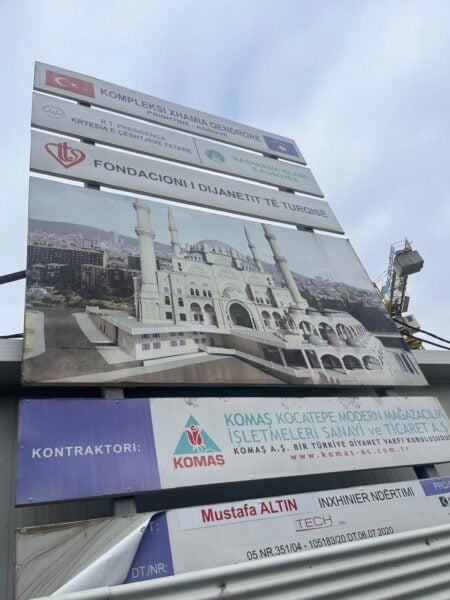
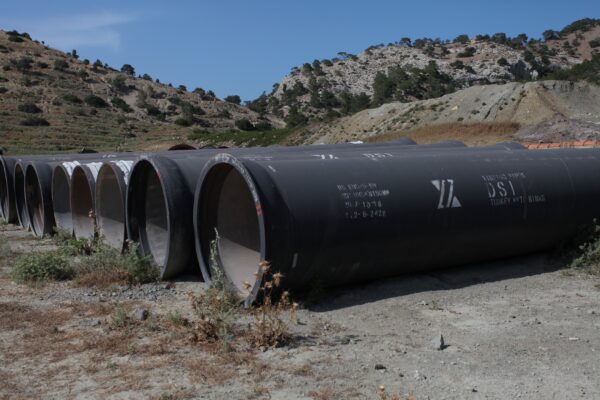
At the Projects of the Century workshop in Istanbul, organized as part of the INFRAEMPIRE project, I examined the Keban Dam on the Upper Euphrates as a Cold War imperial infrastructure. The workshop asked how large projects not only connect territories but also stage geopolitical futures, materialize spheres of influence, and reorganize relations of dependence. I had planned to begin and end my presentation with two film extracts. Neither made it onto the screen. Returning to them here offers another way of asking what kind of future Turkey’s dams promised, and for whom.
By the late 1970s, dams had become part of Turkey’s popular imagination. Construction sites, landscapes awaiting inundation, and electricity travelling towards distant cities appeared in political speeches and news reports, but also in popular cinema. Films turned these infrastructures into settings for stories about work, migration, family, loss, sacrifice, and the future. Two films from this period are especially revealing. One approaches the dam through the experiences of those expected to leave; the other through an engineer devoted to the completed monument.
Atıf Yılmaz’s Selvi Boylum, Al Yazmalım (The Girl with the Red Scarf, 1977) is remembered principally as a love story between Asya, played by Türkan Şoray, and İlyas, a truck driver hauling materials to a dam project. Its construction scenes were filmed around the Aslantaş Dam site in southern Turkey, although the dam remains unnamed in the story. The film opens with expropriation. As cranes and trucks prepare the valley for inundation, Asya’s mother curses the project and refuses to let her house be demolished. She would rather see it swallowed by the water. Asya responds that the “Great People’s Dam Project” will proceed whether they resist or not. They might as well sell the house and move to the city.
Selvi Boylum Al Yazmalım (1977) | 00:18 – 03:13
The dam largely disappears once the romance begins, but it continues to shape the film’s world. Muddy roads, heavy machinery, temporary camps, migration, and family rupture form the landscape in which Asya and İlyas’s relationship develops and unravels. Infrastructure first enters the story through a domestic conflict and the limited choices available to those standing in its path. Asya is pragmatic, but she has little room to decide. The project has already determined what will happen. Her family can only decide how to respond.
Çetin İnanç’s Su (Water, 1981) presents a very different vision. Filmed at Keban several years after its inauguration, it places the completed dam at the centre of the screen. An engineer played by Cüneyt Arkın stands before the immense structure and addresses it as though it were alive:
“My son, my dear, my Keban, my only friend, my only purpose, you are the reason why I live. You are my country’s light.”
The engineer has devoted his labour to Keban and lost his wife and child in its reservoir. Yet he explains that its electricity allows students to study, factories to operate, and hospitals to heal. He did not create Keban, he insists. Keban created him. Personal catastrophe becomes public purpose, and grief is recast as duty, sacrifice, and national development.
Su (1981) | 04:41 – 07:16
Throughout Su, machinery, spillways, and transmission lines testify to a transformation already accomplished. Electricity stands for light, knowledge, health, work, and the country’s future. In another scene, the engineer confronts his brother, who wants to build a casino near the site. Why, he asks, does his brother always place dynamite beneath the most valuable things the country has achieved? The contrast is clear: labour, discipline, and production stand against speculation, waste, and moral decay. The dam becomes not only an engineering achievement but also a measure of citizenship.
The films occupy different moments in the life of a dam. Selvi Boylum looks towards inundation from a threatened home, while Su looks back from the completed monument. In one, the dam remains at the edge of the image but quietly reorganizes domestic life. In the other, it commands the screen and absorbs a family tragedy into the story of the nation. One asks what happens to people whose homes stand in the way of an infrastructural future. The other asks what losses should be accepted to bring that future into being. Neither film, however, is simply critique or celebration. Both use melodrama to translate a vast project into intimate relationships and moral choices. These were not isolated examples. Orhan Aksoy’s Baraj (The Dam), also released in 1977 and later adapted as a television series, similarly placed romance, work, and moral danger within a dam construction site.
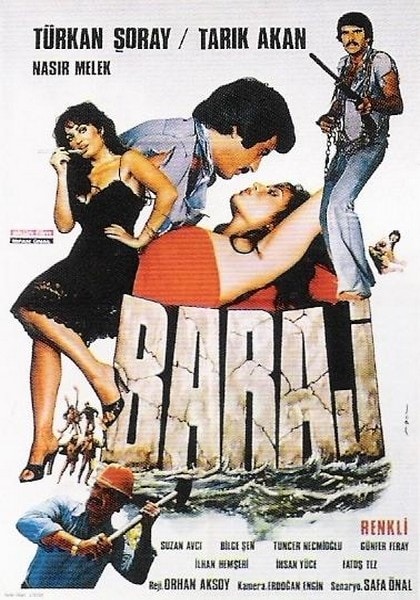
The recurrence of dams in popular cinema suggests how deeply they had entered Turkey’s collective imagination. They were more than machines for generating electricity. They provided a setting in which different versions of modernity, citizenship, and sacrifice could be worked through. Viewed together, Selvi Boylum and Su also show that the effects of infrastructure are not only material. Films give dams stories, emotions, and moral meanings. They can make a project appear inevitable, turn loss into sacrifice, or briefly reveal what the promise of progress leaves behind. Turkey’s dams promised collective illumination, but distributed their costs unequally. They brought some places into the light while submerging others, creating futures presented as national and shared even when particular families and landscapes were asked to bear their losses.
Laurent Dissard is an anthropologist and Associate Researcher at CETOBaC (EHESS–CNRS) in Paris. His research explores archaeology, infrastructure, displacement, and the politics of historical loss in Turkey. He is completing Submerged: Archaeological Rescue and Historical Erasure in Eastern Turkey, a book examining how dam construction and archaeological rescue have reshaped landscapes, communities, and the histories through which their losses are remembered.