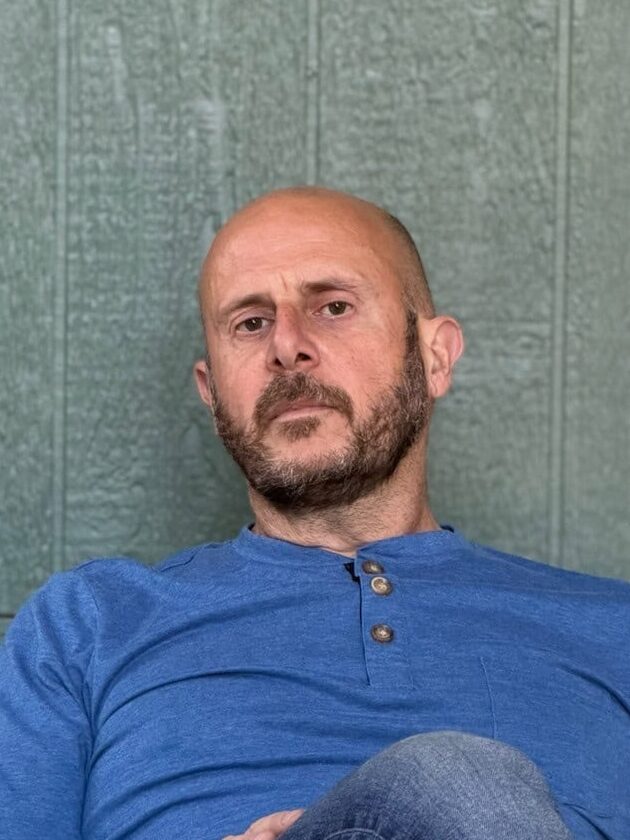
Franck Billé
Franck Billé is an anthropologist/geographer based at the University of California, Berkeley. His core research focus is on borders, space, sovereignty, and materiality. He is the author of Somatic States (Duke, 2025) and editor of Voluminous States(Duke 2020). His latest book manuscript, Sensory Topology, is currently under review. More information about his current research is available at www.franckbille.com
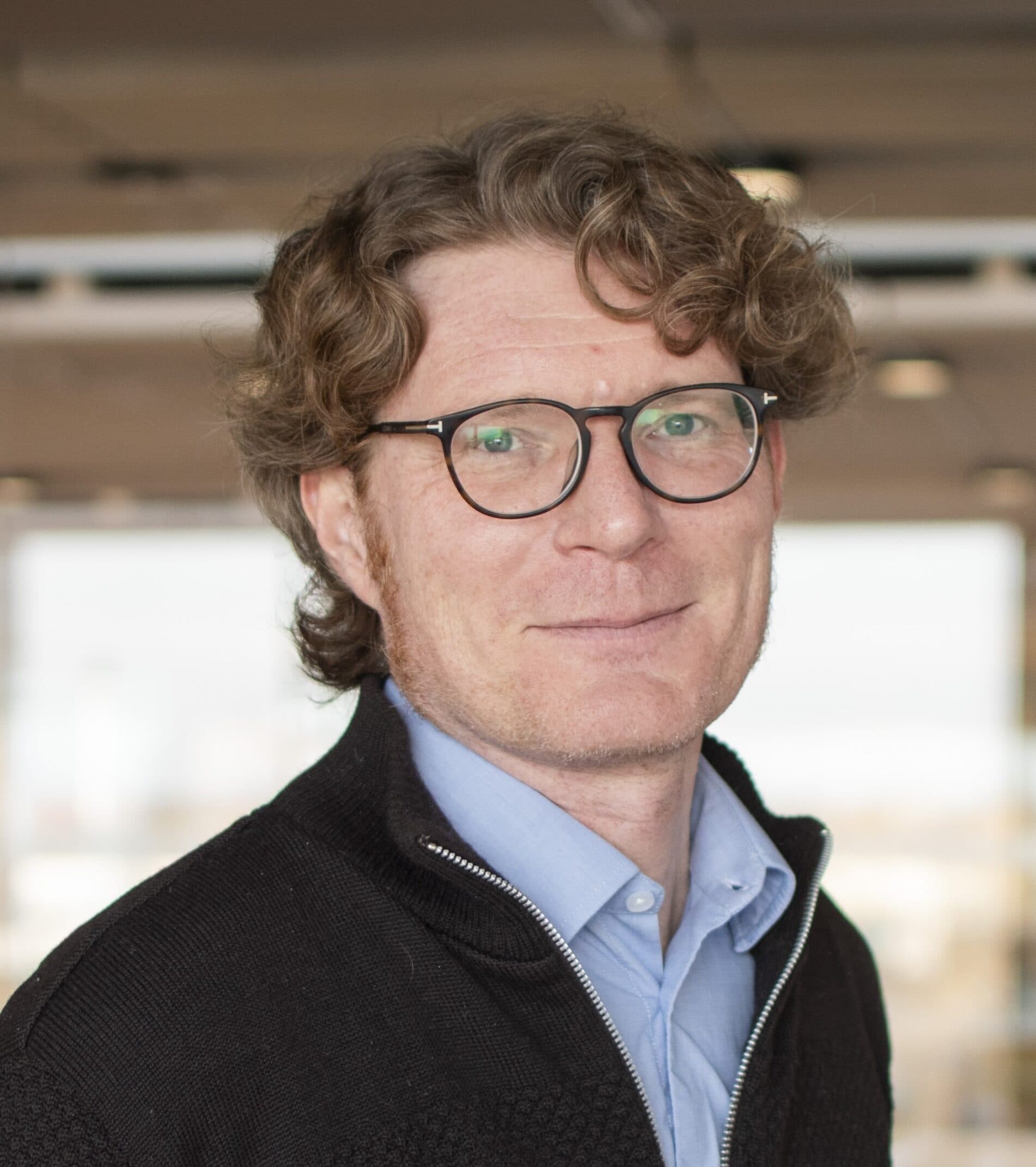
Mikkel Bunkenborg
Mikkel Bunkenborg is an Associate Professor in China Studies at the University of Copenhagen. With a background in Chinese studies and anthropology, his research revolves around contemporary Chinese society and the anthropology of the sinophone world with a focus on bodies and medicine, on popular religion and politics in rural China, on Chinese globalization as it unfolds in Africa and Central Asia, and on food and morality in China. He is co-author of Collaborative Damage: An Experimental Ethnography of Chinese Globalization (Cornell 2022).
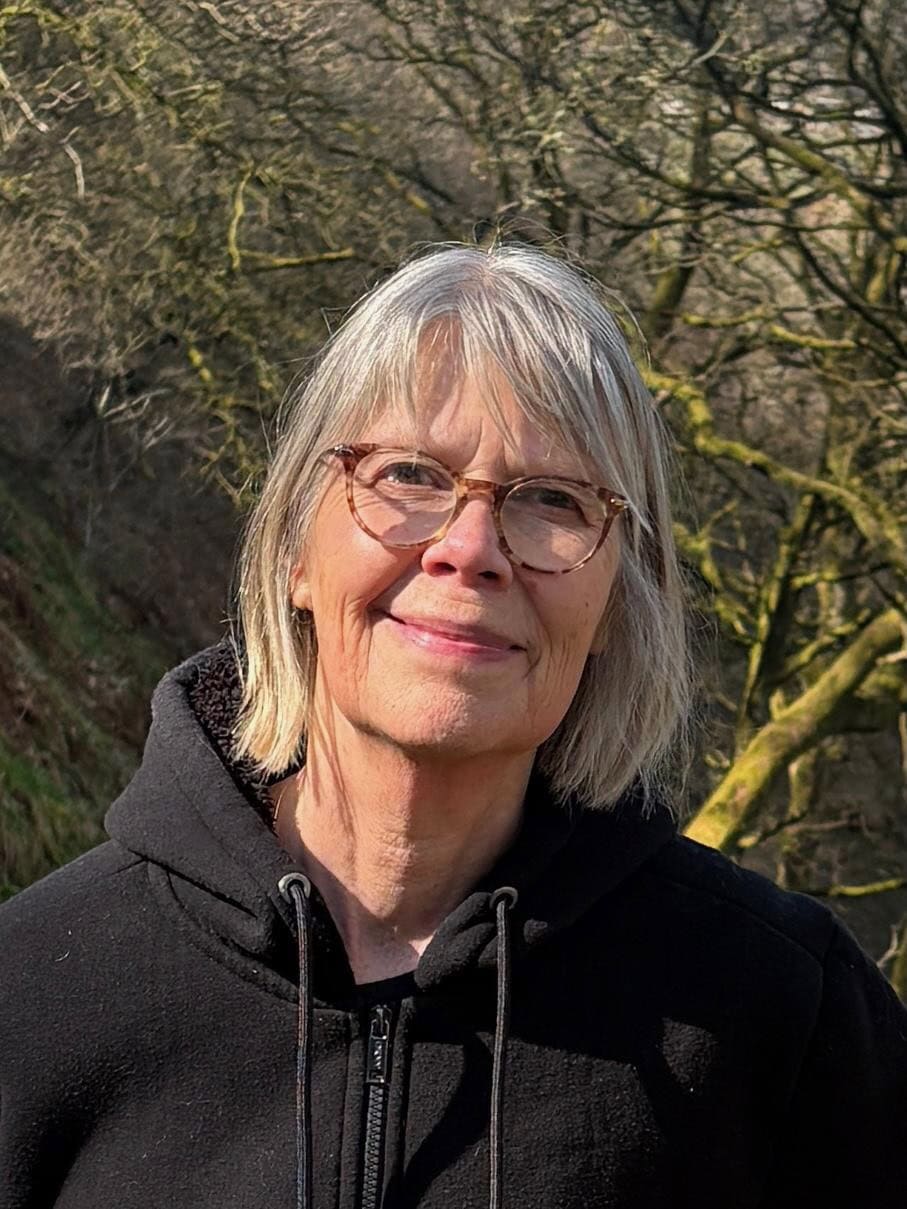
Penny Harvey
Penny Harvey is Professor of Social Anthropology at the University of Manchester. She is an elected Fellow of the British Academy and of the Norwegian Academy of Science and Letters. She also serves as Deputy Chair of the UK’s Committee on Radioactive Waste Management. Her research explores the anthropology of infrastructures and engineering, the encounters between state projects and everyday life, and the political and ethical questions that arise from the intersecting temporalities of human-material relations. Recent publications include the co-edited Anthropos and the Material: Anthropological Reflections on Emerging Political Formations (Duke University Press, 2019), and a special issue of Social Analysis, ‘Future Commons: Bioethical Regimes and Commoning Practices’ (2025). She is currently writing a book on nuclear wastes, dreams of disappearance and the politics of what won’t go away.

Stef Jansen
Social anthropologist Stef Jansen is professor at the University of Sarajevo (Bosnia and Herzegovina) and honorary professor at the University of Manchester (UK). His ethnographic studies in the post-Yugoslav states have focused, amongst other things, on questions of everyday geopolitics, home, hope, the state, borders, political subjectivity and social transformations.
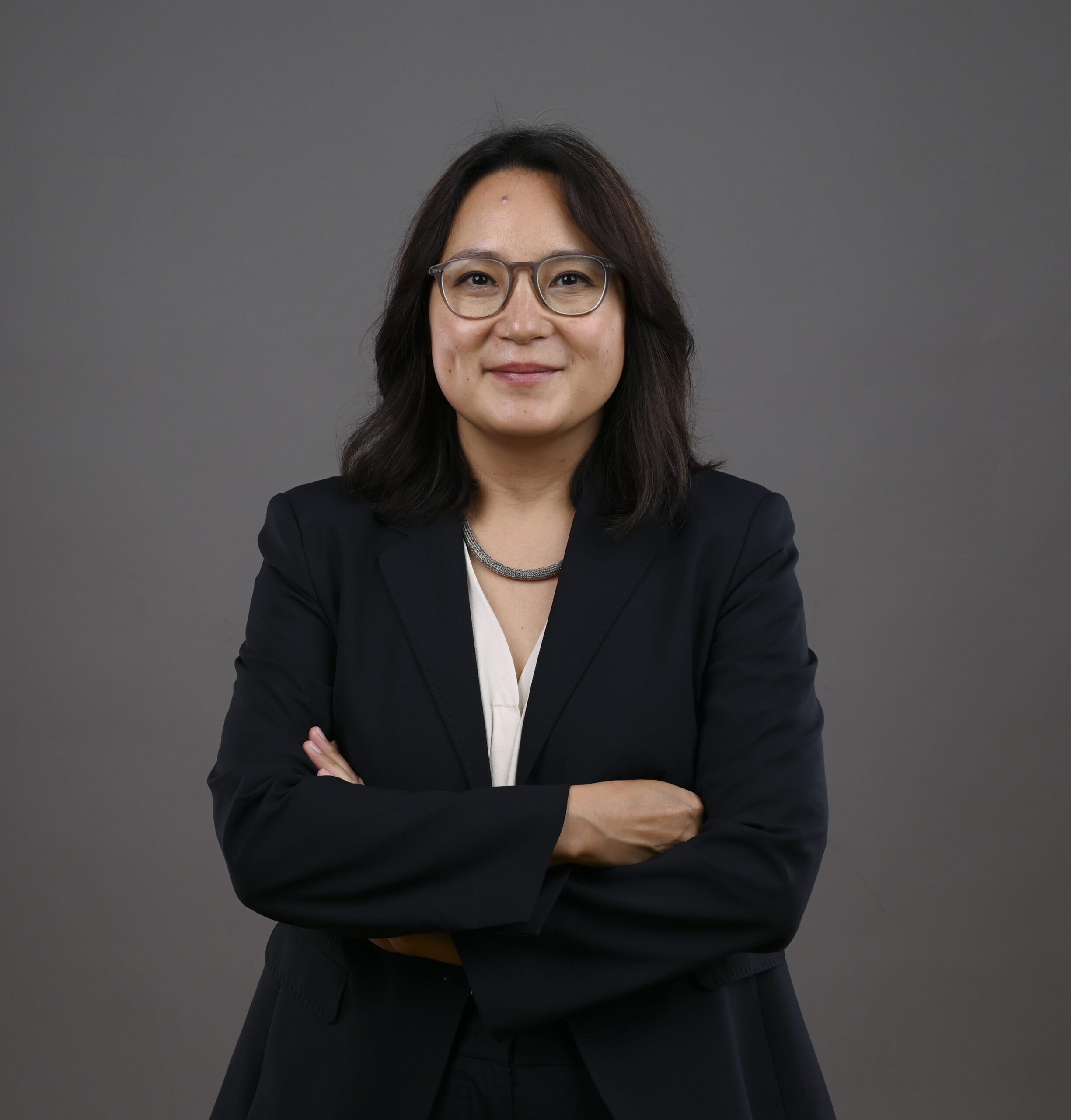
Botakoz Kassymbekova
Dr. Botakoz Kassymbekova is Professor of Eastern European History at the University of Zurich, with a specialization in Soviet history, Stalinism and post-Stalinism and Russian colonial history. She holds a Ph.D. from Humboldt University Berlin. Her first book Despite Cultures. Early Soviet Rule in Tajikistan(Pittsburgh University Press, 2016) traces Soviet imperial strategies in Central Asia. Her current research project investigates post-Stalinist Soviet Union and analyzes how Soviet citizens (un)processed Stalinism in their older lives. Botakoz Kassymbekova co-convened an online exhibition Soviet Central Asia in 100 Objects at the Oxford Nizami Ganjavi Centre and is co-founder of the RUTA Association for Central, South-Eastern, and Eastern European, Baltic, Caucaus, Central and Northern Asian Studies in Global Conversation.
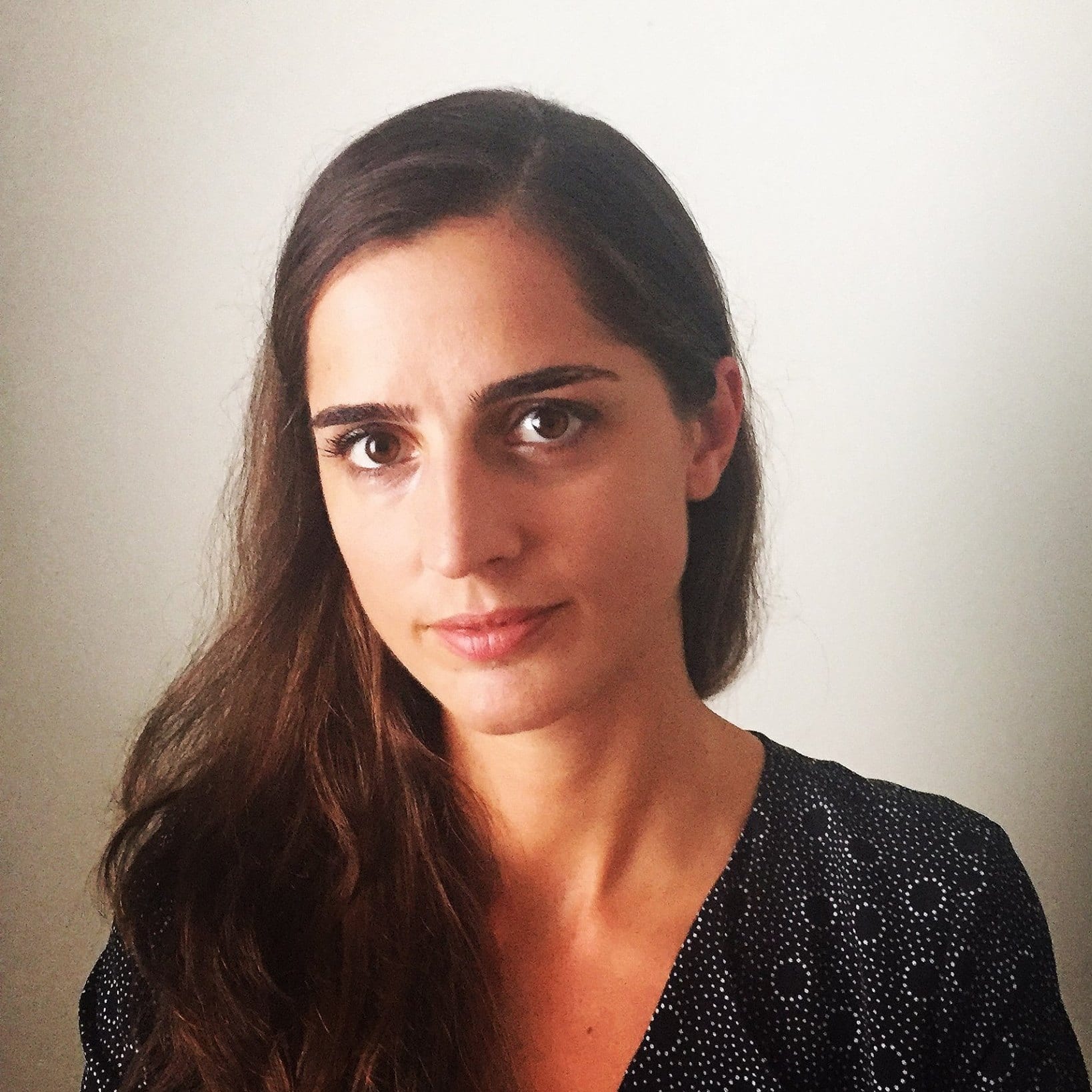
Tamta Khalvashi
Tamta Khalvashi is a Professor of Anthropology and Head of the PhD Program in Social and Cultural Anthropology at Ilia State University, Georgia. She earned her PhD in Anthropology from the University of Copenhagen in 2015 and has held postdoctoral fellowships at New York University (Fulbright Program, 2016–2017) and Cornell University (Society for the Humanities, 2022–2023).
Her research explores infrastructural breakdown and repair, (post)imperial transformations, and the intersections of space, materiality, and marginal social identities, with a particular focus on Georgia and the broader South Caucasus region. Working at the crossroads of experimental anthropology, affect theory, and imagistic ethnography, she examines how histories and forms of dispossession are experienced and reconfigured through built environments. She is the co-author of A Sea of Transience: Politics, Poetics, and Aesthetics Along the Black Sea Coast (Berghahn, 2023).
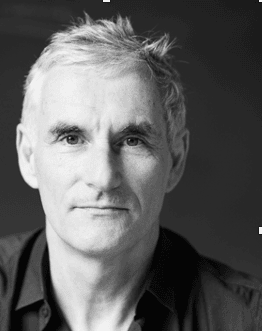
Brian Larkin
Brian Larkin is Professor of Anthropology at Barnard College, Columbia University. His research, broadly conceived, examines the operations of media technologies in Nigeria. He has published widely on issues of infrastructure and urban space, technology and breakdown, piracy and intellectual property, religion and media, the circulation of cultural forms, and Nigerian film (Nollywood). He is the co-founder of the Center for Comparative Media at Columbia University.
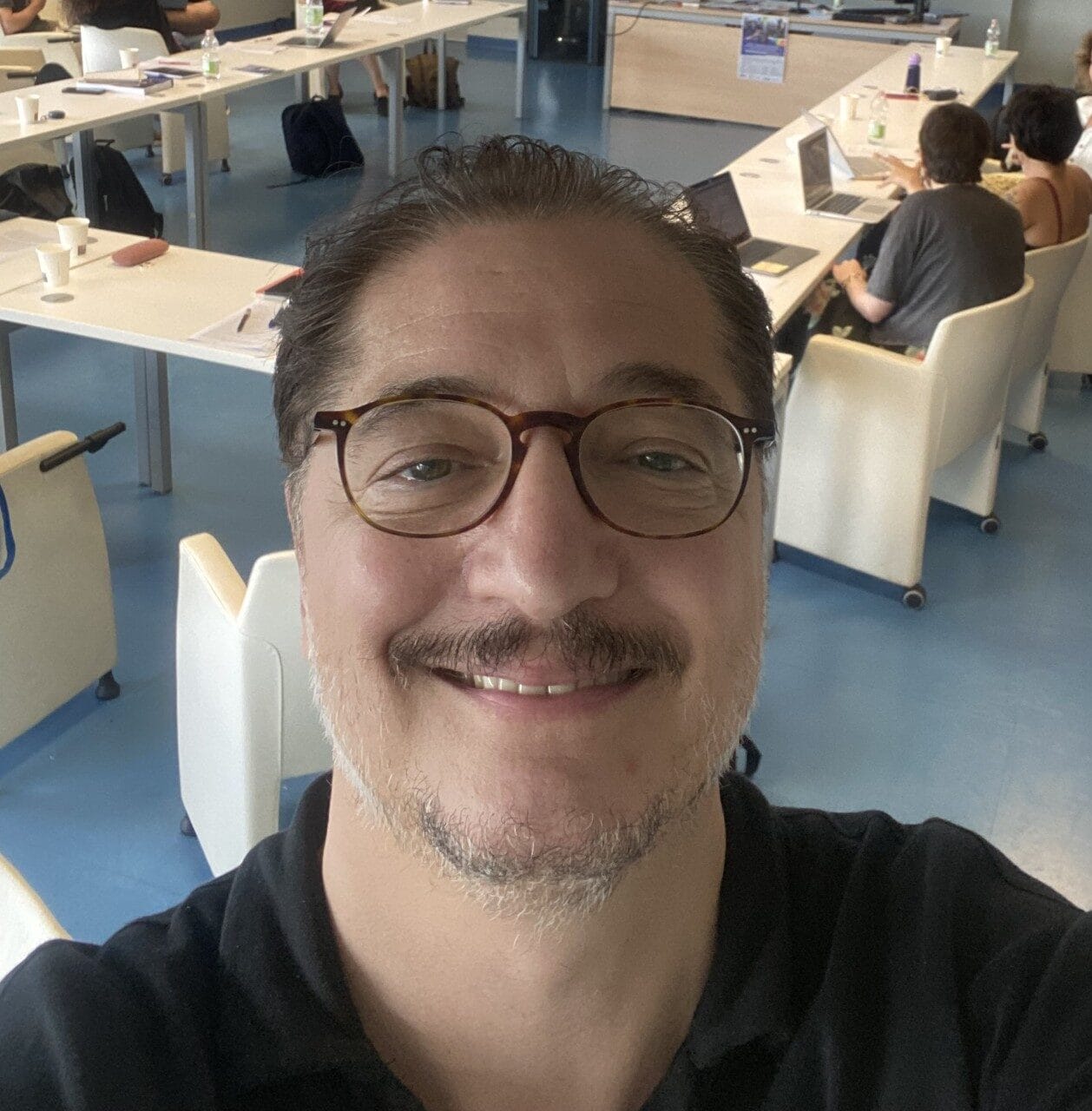
Kerem Öktem
Kerem Öktem is Associate Professor of Politics and International Relations at Ca’ Foscari University of Venice. In October 2024, he joined the Orient-Institut Istanbul as Senior Associate Researcher. His expertise lies in the politics and international relations of Turkey, with a particular focus on the intersection of local and global politics, religious and cultural policies, and autocratization studies. His most recent publication is Contesting Autocratisation: Actors and Institutions of Democratic Resistance in a Global Perspective (Routledge, 2026), co-edited with Bilge Yabanci and Karabekir Akkoyunlu. More recently, Dr Öktem has worked on the cultural politics of autocratization in Turkey and its diasporas, including in a special issue of Südosteuropa-Mitteilungen and his contribution “Turkey’s Imperial Gaze on the Balkans: Grand Mosques as Restorative Nostalgia” (2026). He completed his DPhil in Political Geography at the University of Oxford in 2006.