Cyprus has been the focus of my work since 1993, and it was also the starting point for thinking about infrastructural imperialism. Although my initial research in the 1990s was on both sides of the ceasefire line that divides the island, starting in the early 2000s I began to focus on the unrecognized, breakaway state in the island’s north. Only the Republic of Turkey recognizes the Turkish Republic of Northern Cyprus (TRNC), and that singular recognition creates a strong relationship of dependency.
As far as the Republic of Cyprus and much of the international community are concerned, that relationship is one of occupation by the Turkish army. On the ground and in everyday life and politics, however, that relationship is considerably more complicated. Although the TRNC relies on Turkey for economic, military, and political support, north Cyprus has a developed political structure, with regular, democratic elections, a parliament, and strong local governance. As I detail in a lengthy report, and as a co-author and I discuss in a book (also translated into Turkish) that details the historical development of this entity, Turkish Cypriots living in the island’s north have always found ways to get around the constraints of isolation, embargoes, and the often overbearing presence of the Turkish government in their lives.
In earlier periods, the relationship between Turkish Cypriot political leaders and their counterparts in Turkey was respectful. Since the 2002 rise to power of the Justice and Development Party in Turkey, however, that relationship has been more strained. One of the most important reasons for this is that the JDP (in Turkish, AKP) initially called itself a “Muslim democratic” party, with stress on their religious credentials. Turkish Cypriots, on the other hand, are staunchly secular, with little interest in organized religion. Moreover, after the 1974 division of the island, Turkish Cypriots had discovered many differences between their own daily lives and habits, as former subjects of the British empire, and those of people from Anatolia—a place that for several decades Turkish Cypriots had imagined as their “motherland.” Turkish Cypriots have generally rejected the “babyland” rhetoric common in Turkey in reference to their island—a label that is both affectionate and infantilizing. It carries the connotation of a mother needing to protect and provide for a helpless infant.
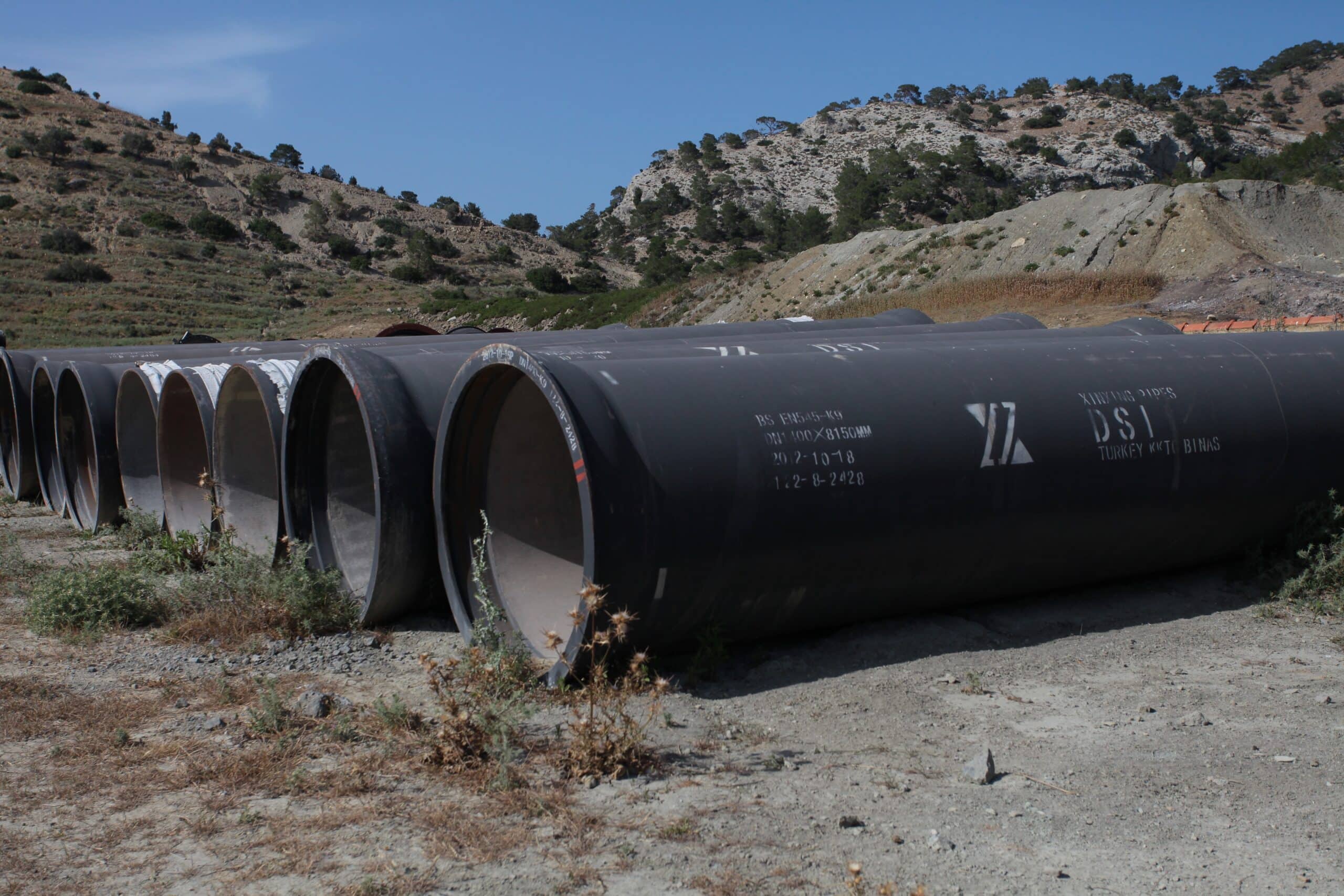
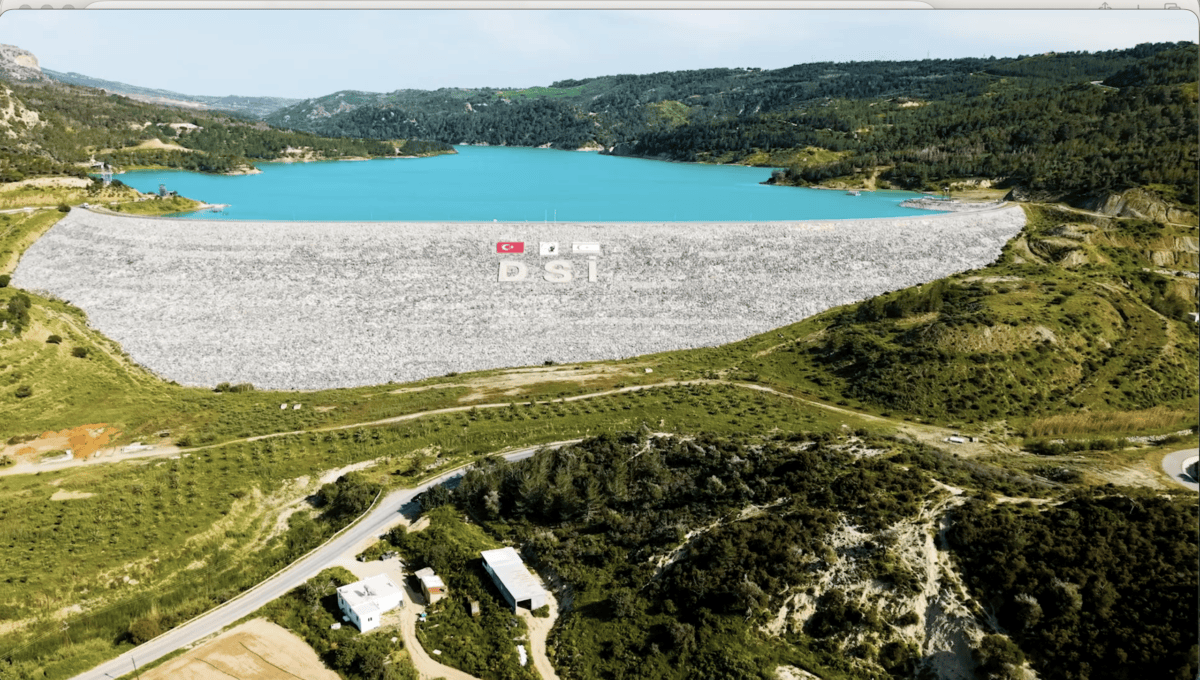
It was in this context of a strained relationship that in 2010 the Republic of Turkey signed a protocol with the TRNC to build an experimental undersea pipeline delivering fresh water from the mountains of Turkey to north Cyprus. In 2011, the Turkish government broke ground in the Taurus Mountains, displacing and moving villages in order to build a dam. In 2015, Turkish President Erdoğan flew to Cyprus to inaugurate the pipeline, and since that time water has more or less consistently flowed from Anatolia in an attempt to address the problem of desertification on the island. In the first year around the inauguration, there were significant protests in the island’s north against the water’s proposed privatization and the idea that such a pipeline would become what Turkish Cypriots called “an umbilical cord” tying them to Turkey.
The pipeline was and remains an obvious instance of the political power of infrastructure. While the Turkish government has had difficulty managing its ideological differences with Turkish Cypriots, the pipeline creates a lasting relationship of dependency. It is also part of the Turkish government’s professed policy of “developing” north Cyprus, which has primarily meant construction of massive hotel complexes, residential developments, and universities, along with roads to connect them and a proposed undersea electricity pipeline to light them. More recently, it has entailed the “gift” of a new parliamentary building and presidential palace, part of a külliye, or set of structures around a central mosque. These have been built in a style that has no relationship to the vernacular architecture of the island.
The pipeline, then, was not only an umbilical cord but also provided the resources for these “developments,” which simultaneously create a local wealth effect and tie the island more closely to Turkey. That wealth effect has also been important in bringing to power parties and political leaders in north Cyprus who have been more willing to do the bidding of the Turkish government.
While one might see this as a sui generis phenomenon peculiar to the circumstances of Cyprus, I began instead to see connections with infrastructures that both the Turkish government and private Turkish companies were constructed in the Balkans and Caucasus. A few years earlier, I had participated in a short project, led by the Peace Research Institute Oslo, that assessed the Turkish government’s new regional diplomacy—what’s sometimes called “neo-Ottomanism.” The report that a co-author and I produced was based on a series of workshops with experts in the Balkans, the Caucasus, and the Middle East and focused on what in the Turkish government’s approach might constitute a source of aspiration for others in the region.
Importantly, that project gave me the grounding to think comparatively about the water pipeline and “development” of north Cyprus. This comparison led me to consider how anthropology can begin to think more geopolitically about infrastructure, as well as what the anthropology of infrastructure can contribute to a field that has been dominated by international relations. I began to see not only that the “development” of north Cyprus was one small part of Turkish infrastructural investments but also that the politics and policies behind these investments might be compared with those of China and Russia, for instance, both of whom also use infrastructural investment for political ends.
Because it was the site where the ERC project first took shape, it made sense to bring the research team to Cyprus for a fieldwork lab. On the trip, we were accompanied by our project’s ethics advisors, Prof. Stef Jansen (Sarajevo University), as well as two guests, Dr. Sinan Erensü (Boğaziçi University) and Dr. Erdem Evren. Over three days, we walked through the divided city of Nicosia to understand life in the context of an ongoing conflict.
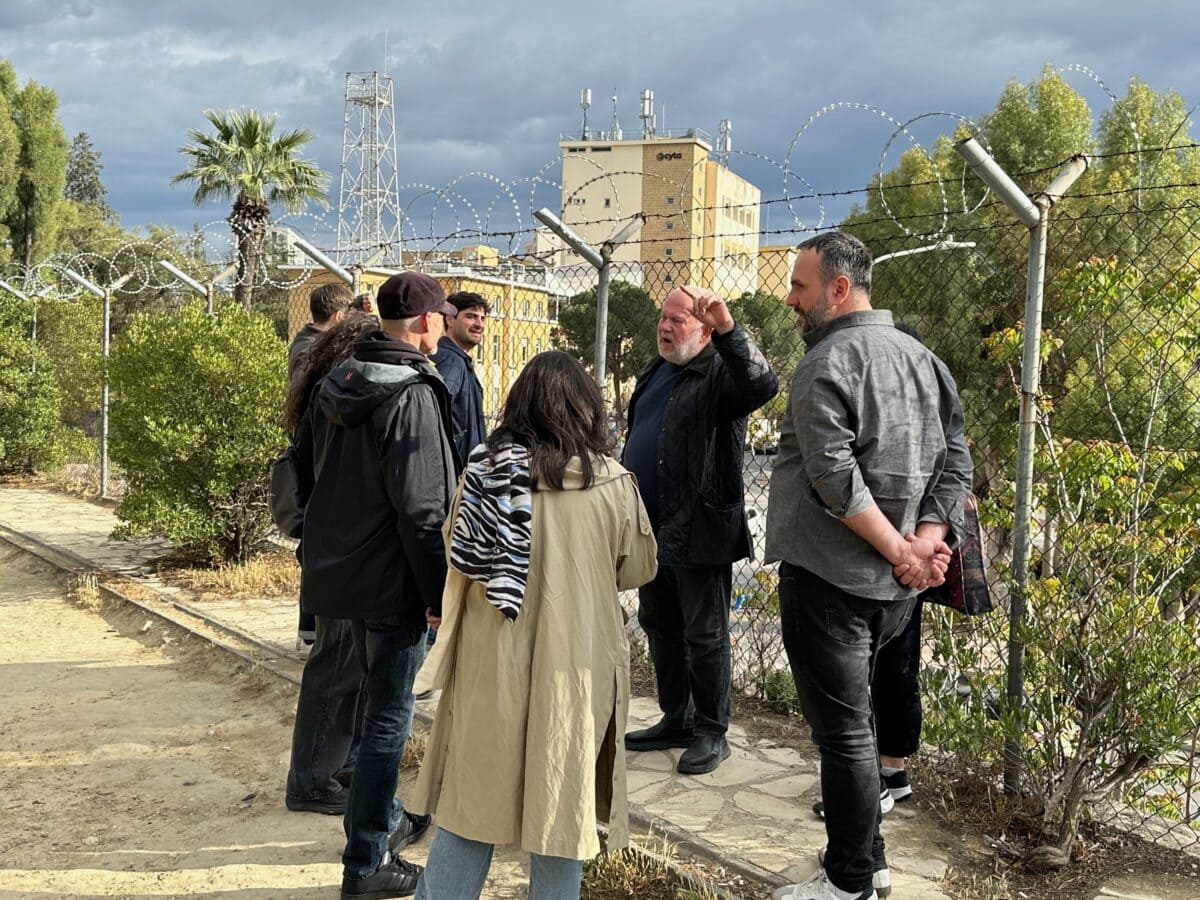
We visited sites around the pipeline and spoke to local politicians about the water’s management. We visited the eastern part of the island, where over-construction has scarred the landscape and created a city of highrises along a once-pristine beach. We also visited the ghost city of Varosha, which has been touted as a potential site for major Turkish investment, and we had lunch with the mayor of Famagusta, who talked to us about his desire for a united island.
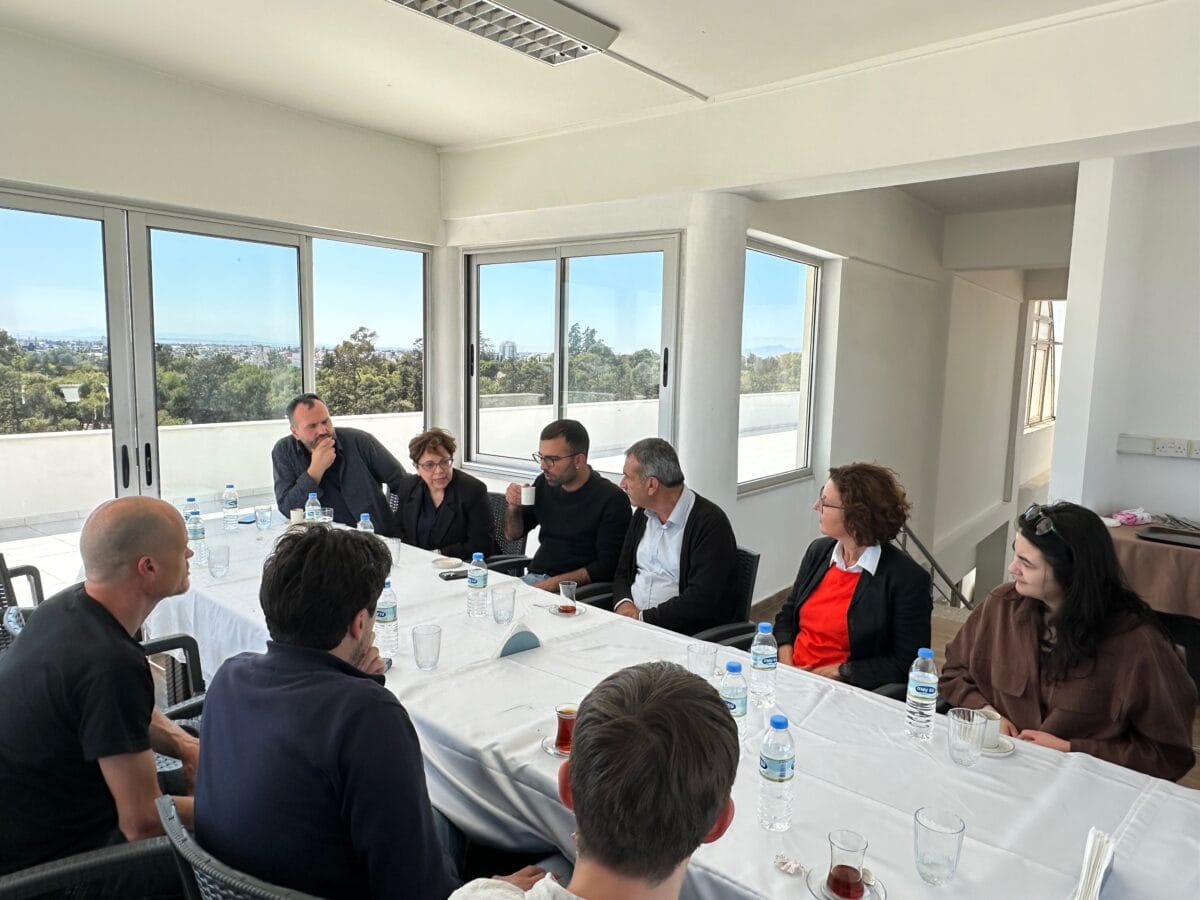
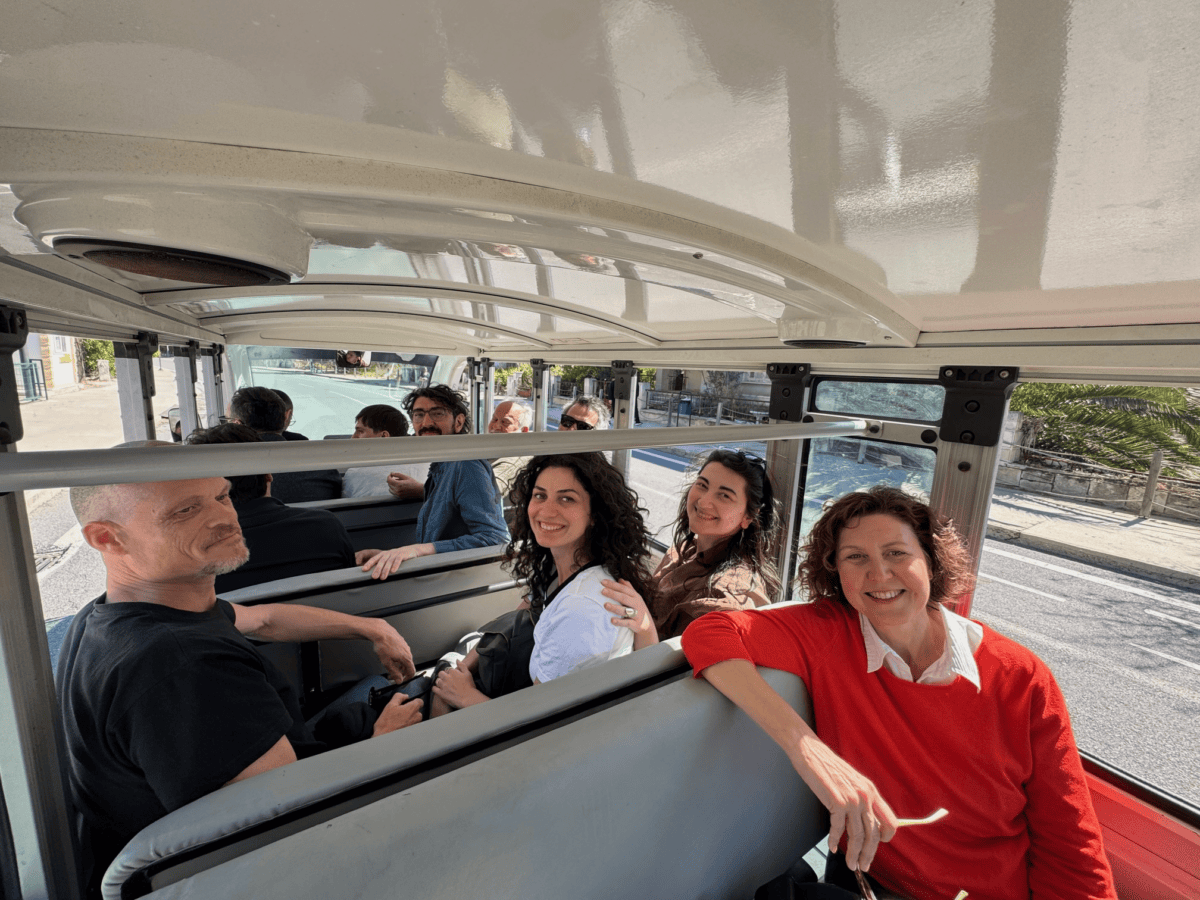
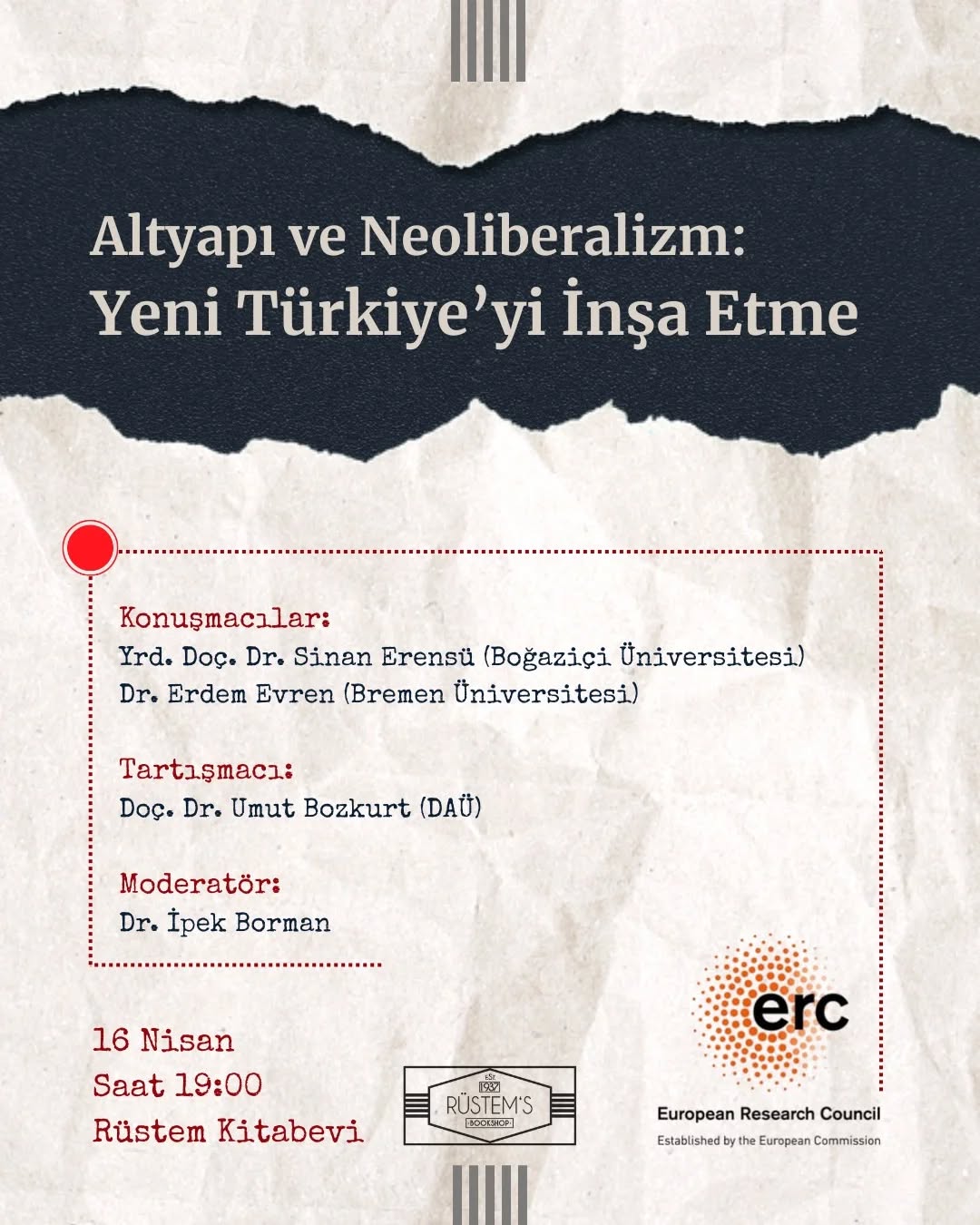
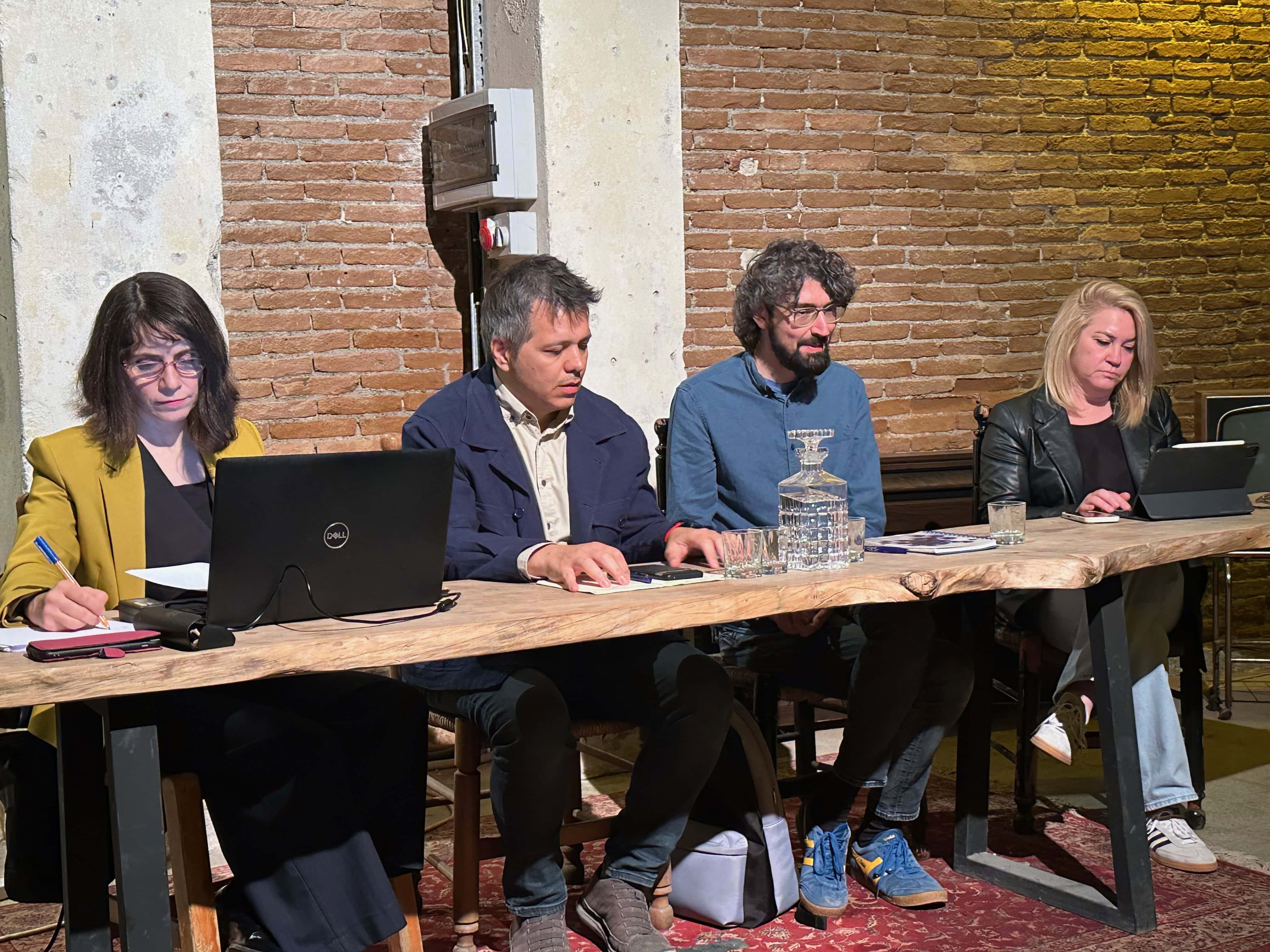
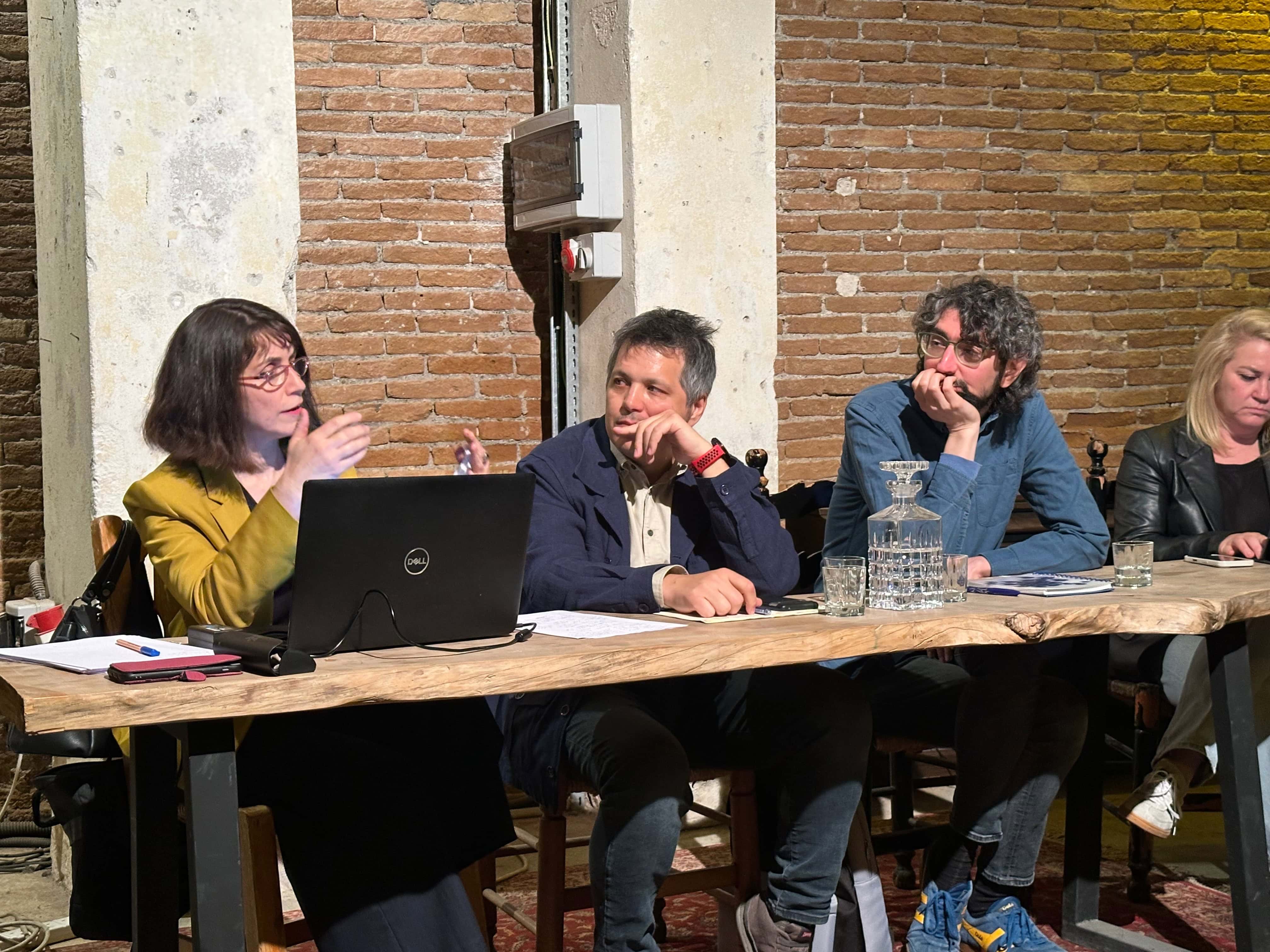
In our meetings at the historic Rüstem’s Bookshop, we used Cyprus as a point of departure for thinking about each case study. We ended the trip with a public lecture on hydropolitics by Drs. Evren and Erensü, with a discussion by Dr. Umut Bozkurt of Eastern Mediterranean University (photos).