The questions that Northern Cyprus evoked in my mind during fieldwork had actually started to surface the moment my journey began—at the airport in Amsterdam. A conversation that almost prevented me from boarding my flight was sparked when an employee, upon seeing my Turkish passport, told me that I would “logically” need a visa to enter Northern Cyprus. My trip only proceeded after a Turkish airline staff member stepped in to explain “the special status of Cyprus” to his colleague once again. From that moment on, new questions and reflections about Cyprus started to creep into my thoughts.
The ties between what is often referred to as the “motherland” (Turkey) and its so-called “baby homeland” (Northern Cyprus) have long been framed through pedagogical and simultaneously nationalist-fraternal bonds, mostly built on the language of intimacy. Yet, for the airport personnel, what seemed to require “logical” diplomatic protocols brought forth a series of contentious questions around sovereignty, statehood, citizenship, and the moral and political boundaries between the two political establishments.
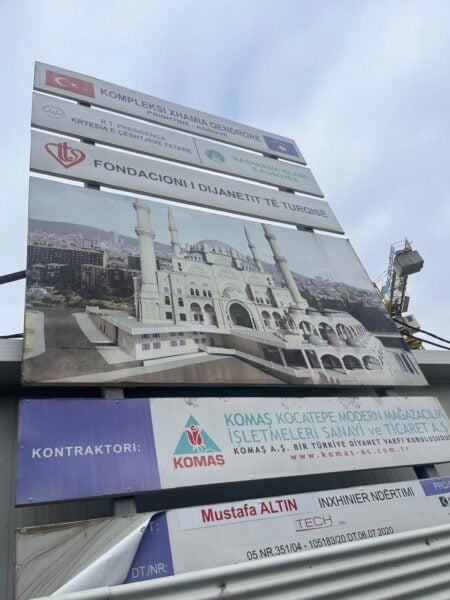
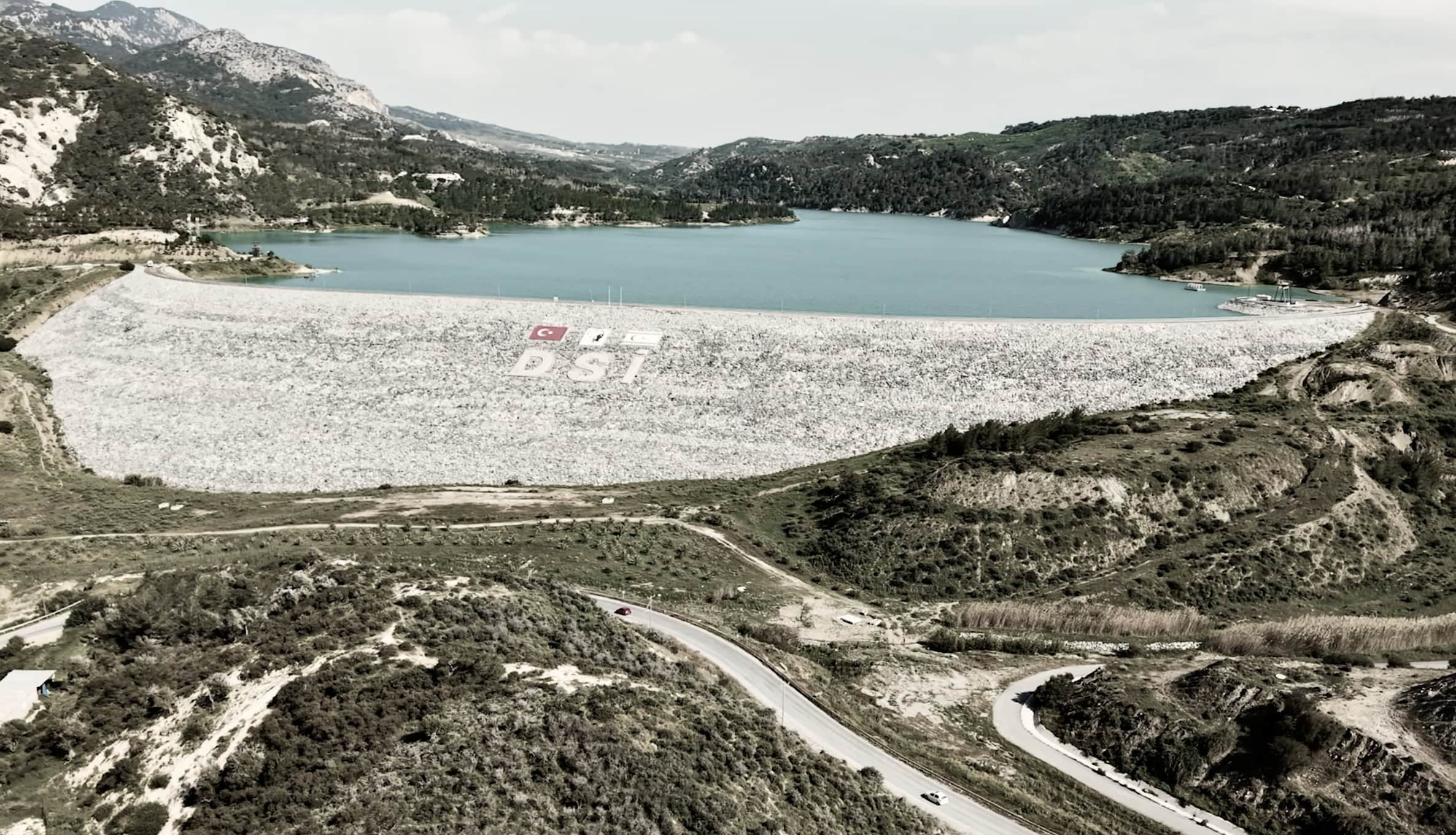
During fieldwork, I had the opportunity to explore these questions through the lens of infrastructure projects initiated by Turkey in Northern Cyprus, as well as symbolic architectural forms of the “New Turkey” that have been transposed to the island. I observed how the political and economic discourses surrounding these projects—especially among municipal-level bureaucrats and local Cypriots—were deeply embedded in the practical challenges and conveniences of daily life. These discourses, positioned at the intersection of politics, economy, and morality, also gave rise to ideas of sovereignty and citizenship.
One of the most important takeaways from this fieldwork was recognizing the complex ways in which geopolitics is constructed through everyday life. It was striking to see how something as seemingly technical as the drinking water pipeline—extending from the Taurus Mountains in Turkey to Cyprus beneath the sea—could reveal a profound experience of citizenship for Turkish Cypriots by reshaping not only the value of water in daily life, but also the meanings of colonialism, independence, and emotional attachment that continuously define the statehood. Our workshop and discussions focused on the methodological possibilities of examining this complex terrain, particularly through an anthropological lens and ethnographic study of everyday geopolitics.